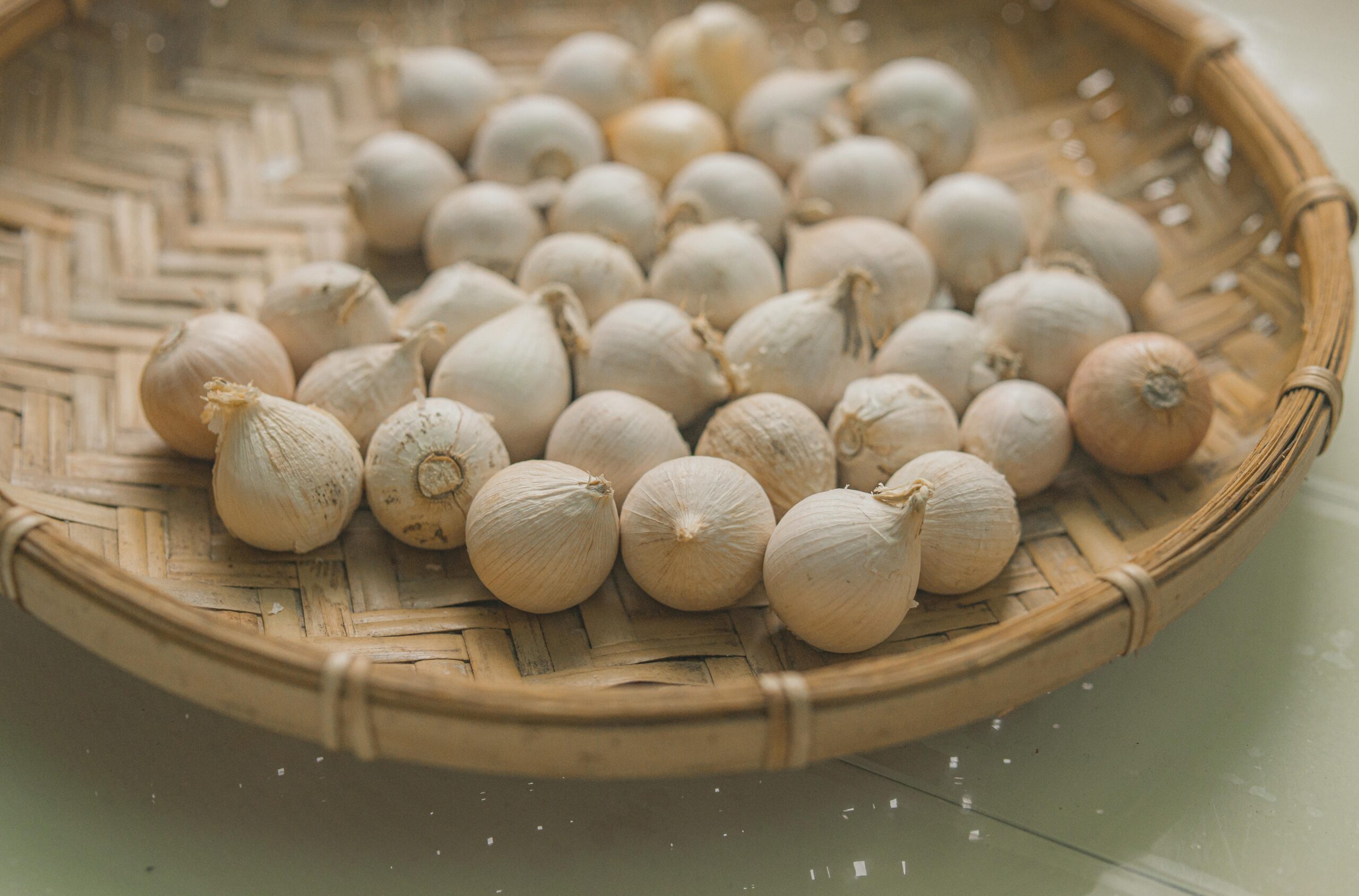
Garlic has been celebrated for centuries for its culinary and medicinal properties. Known scientifically as Allium sativum, this bulbous plant is a staple in many kitchens worldwide. Beyond adding flavor to dishes, garlic offers numerous health benefits, particularly for heart health. However, like any powerful natural remedy, it also has potential side effects, especially when consumed in large amounts.
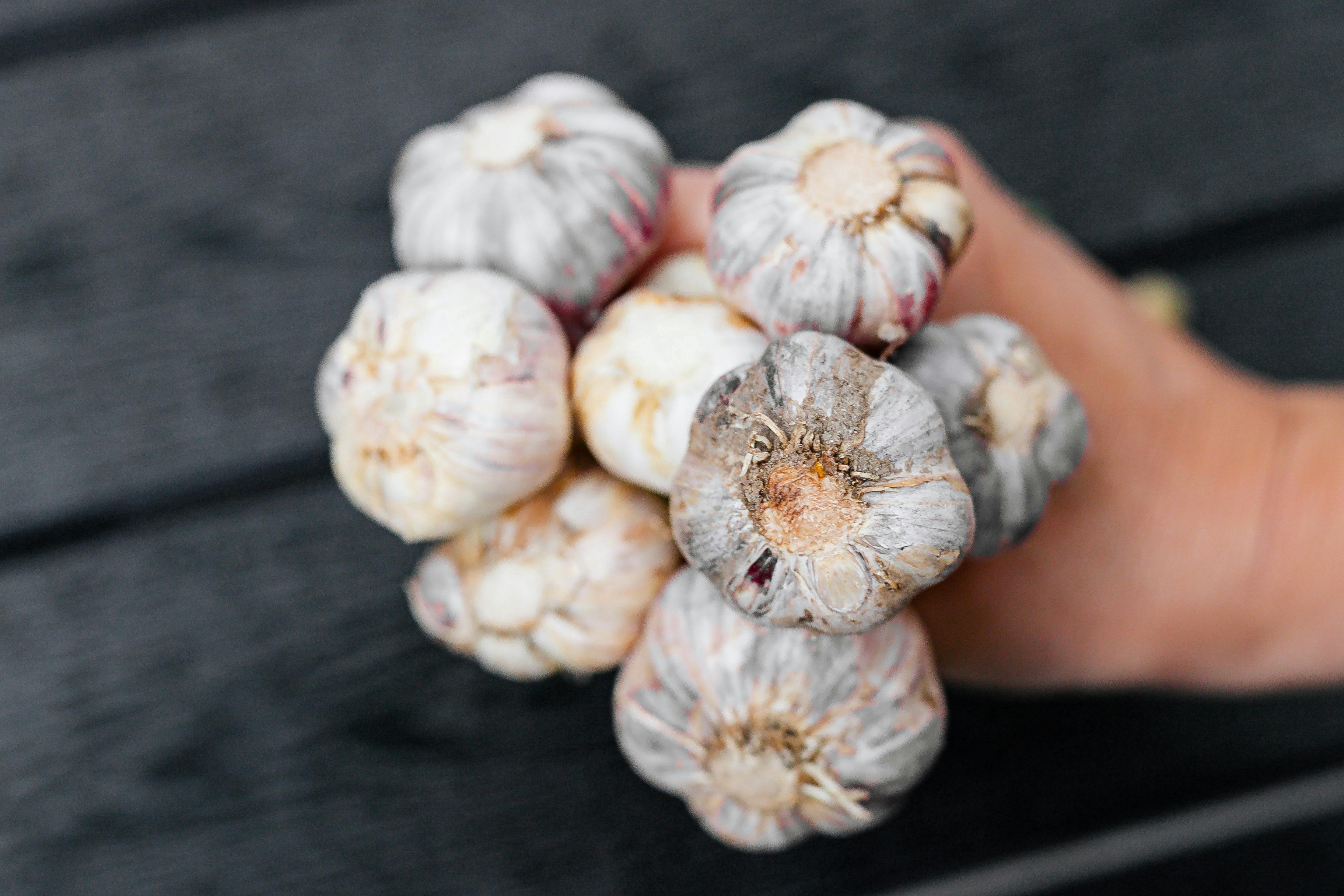
One of the most studied benefits of garlic is its positive effect on cardiovascular health. Garlic is rich in sulfur compounds, such as allicin, which are believed to help lower blood pressure, reduce cholesterol levels, and improve arterial health. Studies have shown that regular garlic consumption can contribute to a modest reduction in systolic and diastolic blood pressure in people with hypertension.
Furthermore, garlic’s antioxidant properties help reduce oxidative stress in the body, which is a factor in heart disease. Many researchers also suggest that garlic may help prevent blood clots by acting as a natural blood thinner, thereby reducing the risk of stroke and heart attacks.
In addition to cardiovascular benefits, garlic has been associated with boosting the immune system. It has antimicrobial and antiviral properties, potentially helping the body fight off infections more effectively. Some research even suggests that garlic can reduce the severity and duration of common colds and respiratory infections.
Despite these advantages, caution should be exercised when consuming garlic in large quantities. Generally, moderate garlic intake is safe for most people, but excessive consumption can lead to gastrointestinal issues such as stomach upset, bloating, or heartburn. Some individuals may also experience allergic reactions, including skin rashes or respiratory difficulties.
Another concern is garlic’s blood-thinning effect, which, while beneficial in moderation, can increase the risk of bleeding when combined with anticoagulant medications or before surgery. Therefore, it is essential to consult with a healthcare provider if you plan to use garlic supplements or consume large amounts regularly.
In summary, garlic provides impressive health benefits, particularly for heart health and immune support. Incorporating garlic into your diet at moderate levels can be a flavorful way to promote wellness. However, being mindful of the possible side effects and interactions with medications is vital for safe use.

I’ve been adding garlic to my meals daily, and it’s great to hear about its benefits for heart health. I always wondered if eating too much could be harmful!
Excellent post! I often recommend patients with high blood pressure to include garlic in their diets but always remind them to discuss supplement use with their physician.
I experienced some stomach issues after taking garlic supplements. It helps knowing that sometimes side effects can happen with larger doses.
Thanks for pointing out the blood-thinning effects. I had surgery last year, and my doctor advised me to stop garlic supplements beforehand.
Garlic not only makes food taste better but also helps my immune system during cold season. Great informative article!