
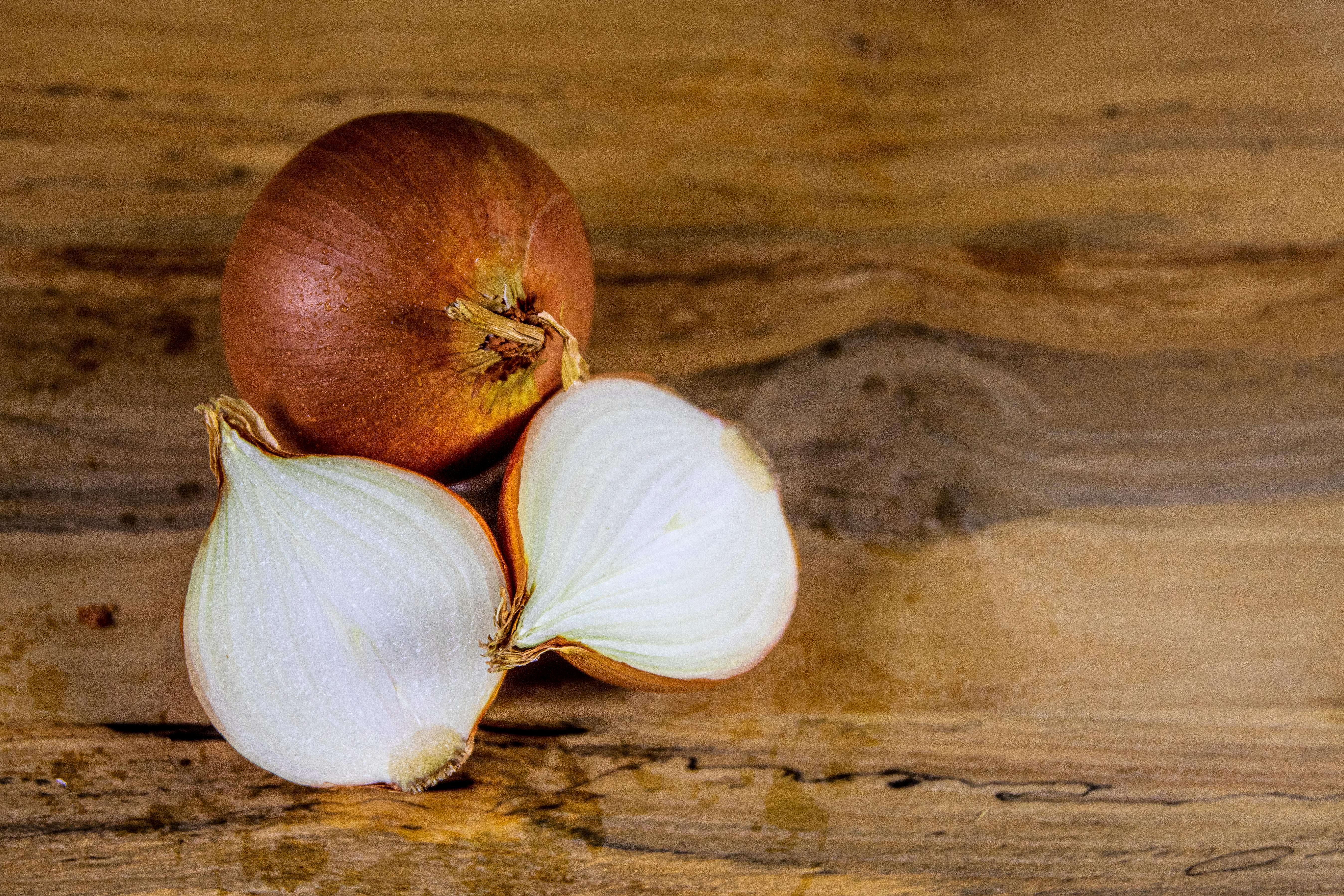
Onions are a staple in kitchens worldwide, prized for their distinctive flavor and versatility in countless dishes. Beyond their culinary uses, onions have been recognized for their potential health benefits and nutritional properties. However, like many foods, they also come with possible drawbacks, especially concerning digestion. In this article, we’ll explore the nutritional advantages of onions and discuss some common digestive issues they may cause.
Nutritional Benefits of Onions
Onions are low in calories yet packed with nutrients. They are rich in vitamin C, which is vital for immune function, skin health, and collagen production. Additionally, onions contain significant amounts of vitamin B6 and folate, important for metabolism and cell function.
Beyond vitamins, onions boast a variety of antioxidants, such as quercetin and sulfur compounds, which may help reduce inflammation, support heart health, and potentially lower the risk of chronic diseases like cancer. The flavonoid content in onions contributes to their ability to combat oxidative stress, helping protect the body’s cells.
Onions also provide dietary fiber, which supports digestive health by promoting regular bowel movements and feeding beneficial gut bacteria. This fiber can contribute to improved gut health and overall digestive function.
Potential Digestive Issues
Despite their benefits, onions can cause problems for certain individuals, particularly those with sensitive digestive systems or conditions like irritable bowel syndrome (IBS). One primary reason is that onions contain fructans, a type of fermentable carbohydrate. Fructans can be poorly absorbed in the small intestine and ferment in the large intestine, causing gas, bloating, and discomfort for some people.
Additionally, raw onions can be more likely to cause digestive upset compared to cooked ones, as cooking helps break down some of the compounds responsible for these effects. For people prone to acid reflux or heartburn, onions may exacerbate symptoms due to their ability to relax the lower esophageal sphincter, allowing stomach acid to escape into the esophagus.
Balancing Onion Consumption
For most people, onions can be enjoyed as part of a healthy and balanced diet without significant issues. To reduce potential digestive discomfort, consider consuming cooked onions rather than raw, and monitor your portion sizes. Those with specific sensitivities or digestive conditions might benefit from limiting or avoiding onions and consulting with a healthcare professional to manage symptoms.
Ultimately, onions are a nutritious and flavorful addition to meals, offering a range of health benefits when consumed mindfully.


I never realized that onions had so many health benefits! I’ll definitely try to include them more in my meals.
As someone with IBS, I find raw onions really tough to digest. Cooking them definitely helps reduce discomfort for me.
Great article! The info on quercetin and heart health was especially interesting.
I always thought onions just added flavor. It’s cool to learn about their nutritional profile and potential drawbacks.
Thanks for the tips on handling acid reflux. I’m going to try eating smaller, cooked onions to see if it helps.